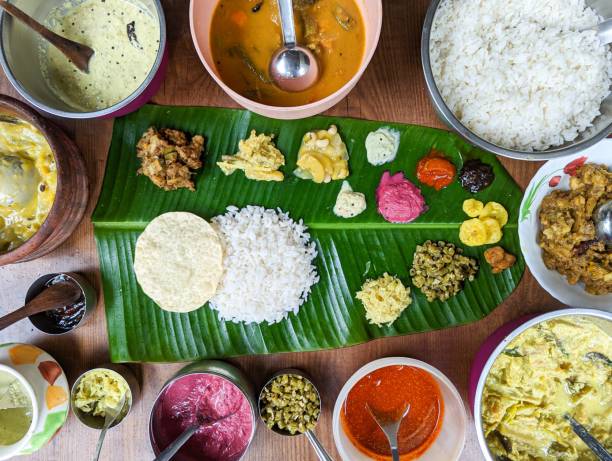
When it comes to culinary experiences, South India stands out as a treasure trove of diverse flavors and rich cultural heritage. From aromatic rice dishes to spicy curries and delightful sweets, the cuisine of this region is a sensory celebration. Let’s take a delightful journey into the origins, unique characteristics, and popular dishes that make South Indian cuisine a gastronomic delight.
A Palette of Flavors Shaped by Geography
Encompassing the states of Andhra Pradesh, Telangana, Karnataka, Kerala, and Tamil Nadu, along with Puducherry and Lakshadweep, South India is a melting pot of diverse landscapes. The geographical influences, ranging from coastal areas to fertile plains and hilly terrains, play a significant role in shaping the local cuisine.
Rice: The Heart of South Indian Cuisine
Rice takes center stage in South Indian kitchens, showcasing its versatility in dishes like Biryani, Puliyodarai (Tamarind Rice), and Coconut Rice. The region’s aromatic rice varieties, such as Basmati and Jeerakasala, add a unique touch to these culinary creations.
A Symphony of Spices
What sets South Indian cuisine apart is the vibrant blend of spices. Curry leaves, mustard seeds, fenugreek, and tamarind create a tapestry of flavors, while the love for chilies brings a spicy kick to many dishes.
Vegetarian Bliss
Vegetarianism thrives in South India, giving rise to iconic dishes like dosas, idlis, and vadas. These breakfast staples, accompanied by flavorful chutneys and sambars, reflect the region’s love for vegetarian delights.
Coastal Influences on Seafood Delicacies
With an extensive coastline, South India boasts a rich seafood culture. Dishes like Meen Kuzhambu (Fish Curry), Chemeen Varuthathu (Fried Prawns), and Nandu Rasam (Crab Soup) showcase the coastal influence on the region’s culinary traditions.
Tiffin Treats for Every Palate
The concept of ‘tiffin’ introduces a variety of light meals and snacks, with favorites like Medu Vada, idli, and Uttapam stealing the spotlight for breakfast or as quick bites throughout the day.
Sweet Endings
South Indian sweets are a delightful finale to any meal. Mysore Pak, Jangiri, and Payasam represent a spectrum of flavors and textures, adding sweetness to festive occasions.
Cultural Traditions in Every Bite
South Indian cuisine intertwines with cultural and religious rituals, emphasizing eco-friendly practices by serving meals on banana leaves. The practice of offering naivedyam (food offerings) during festivals adds a sacred touch to culinary traditions.
Global Influence and Recognition
Beyond its local acclaim, South Indian cuisine has gained international recognition. Dishes like dosa, idli, and sambar have become global favorites, contributing to the global appreciation of authentic and diverse culinary experiences.
Innovation and Fusion
While rooted in tradition, South Indian cuisine embraces innovation and fusion. Chefs experiment with ingredients, creating contemporary dishes that pay homage to classics while appealing to evolving tastes.
A Culinary Legacy
In conclusion, South Indian cuisine isn’t just about recipes; it’s a cultural legacy that narrates stories of tradition, innovation, and the sheer joy of savoring life’s flavors. As we traverse the diverse culinary landscape of South India, it’s evident that this cuisine is a celebration, enchanting palates worldwide.
I appreciate how you broke down this complex topic into manageable pieces. Your clear explanations and real-life examples made it so much easier to understand.